
 English
 Tiếng Việt
March 3, 2026
In her remarks, Ms. Rossy Nhung Nguyen, President of VNQuantum, shared her experience since joining the quantum field in 2019 and emphasized Vietnam’s position as a latecomer with limited resources. She noted that Vietnam should avoid broad or direct competition with major technology powers, and instead adopt a focused strategy, targeting high-value segments where the country can build distinctive advantages.
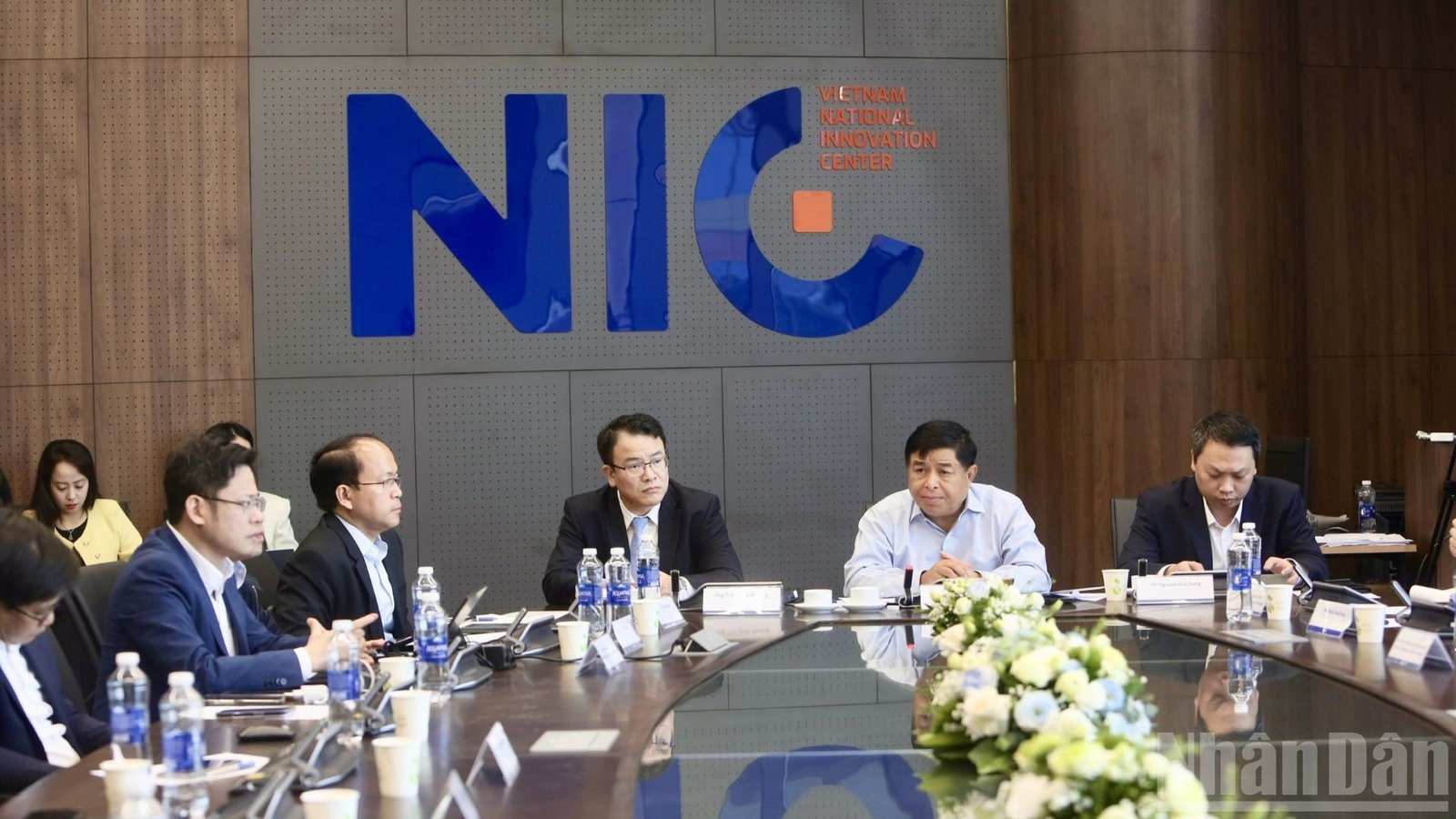
During the meeting, experts and delegates actively exchanged views and engaged in open and constructive discussions. (Photo: NIC)
Based on this approach, VNQuantum is developing plans for a specialized incubator for quantum technology startups, concentrating on two main tracks: breakthrough core technologies, and high-potential niche markets with strong commercial prospects.
The goal is to transform resource constraints into distinctive competitive advantages in the emerging quantum era.
International experts at the meeting shared similar views, noting that many leading quantum companies today focus deeply on a single product or technological segment, a strategy well suited for Vietnam’s effective participation in the global value chain.
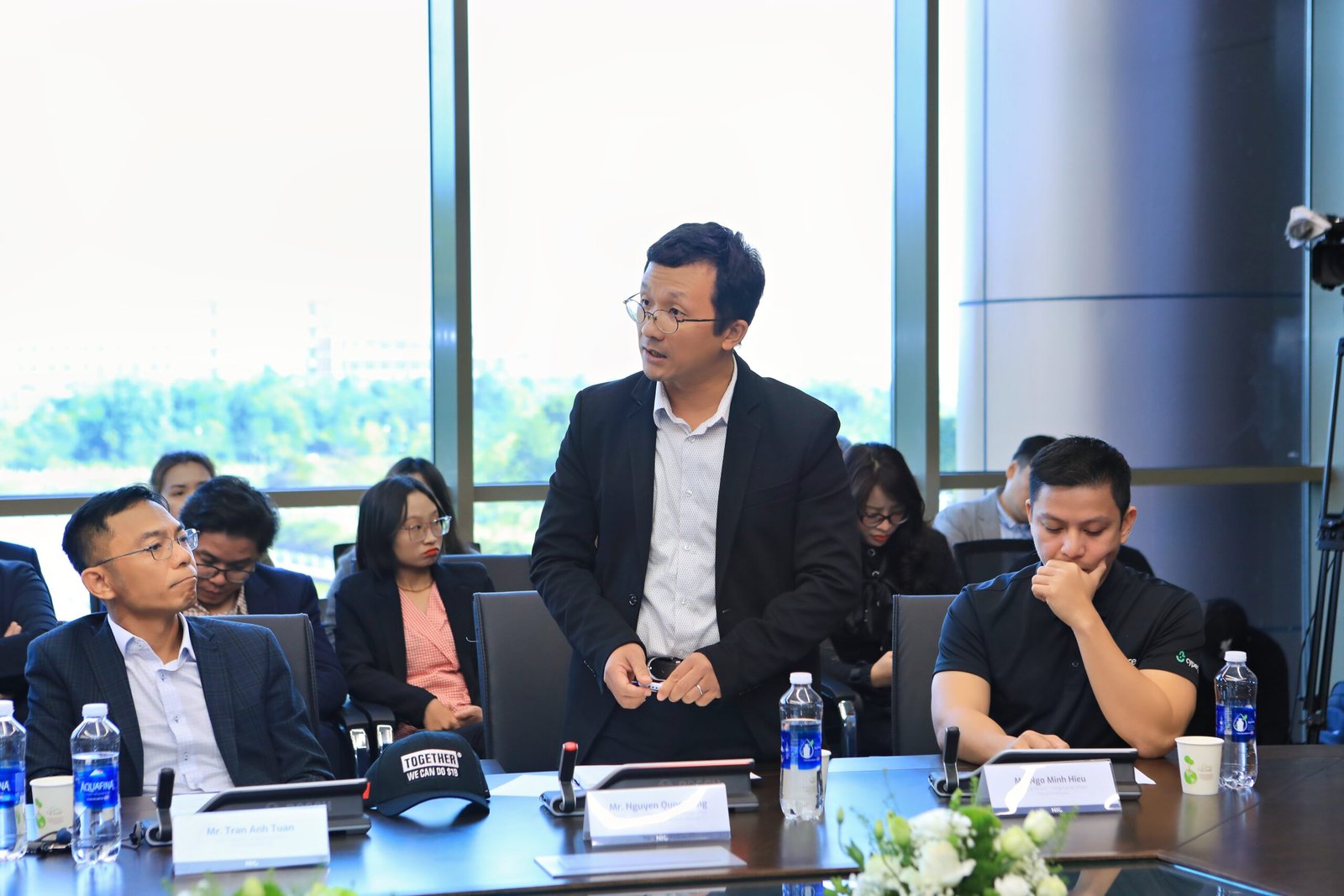
Dr. Nguyen Quoc Hung, Director of the Institute of Quantum Technology (VNU Hanoi) and Vice President of VNQuantum. Photo: NIC
At the meeting, Dr. Nguyen Quoc Hung, Director of the Institute of Quantum Technology (VNU Hanoi) and Vice President of VNQuantum, presented analyses of global quantum technology trends and opportunities for Vietnam.
He observed that recent international recognition of research in superconducting quantum systems indicates a rapid transition from fundamental research toward practical applications.
According to Dr. Hung, the world is entering a critical transition phase from early, noisy, small-scale quantum computers toward more stable and application-ready systems. This represents a window of opportunity for new entrants such as Vietnam to gradually master core technologies and participate more deeply in manufacturing and applications.
Capturing this phase would not only reduce future dependence on imported technologies, but also lay the foundation for developing quantum products and services for research, industry, and national security.
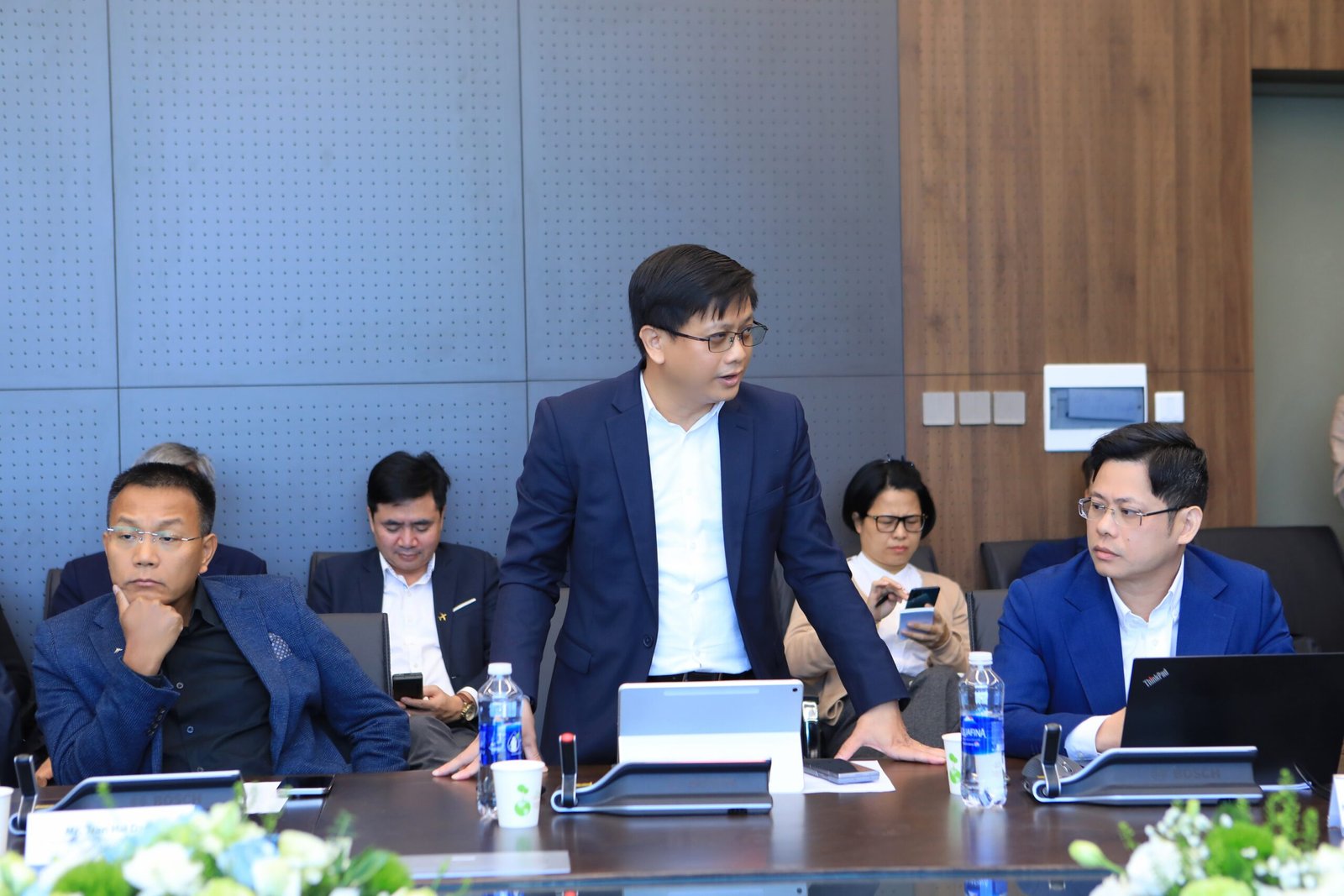
Associate Professor Pham Tan Thi, Head of the Application and Commercialization Committee of VNQuantum, participated in the presentation at the meeting with the Deputy Prime Minister. Photo: NIC
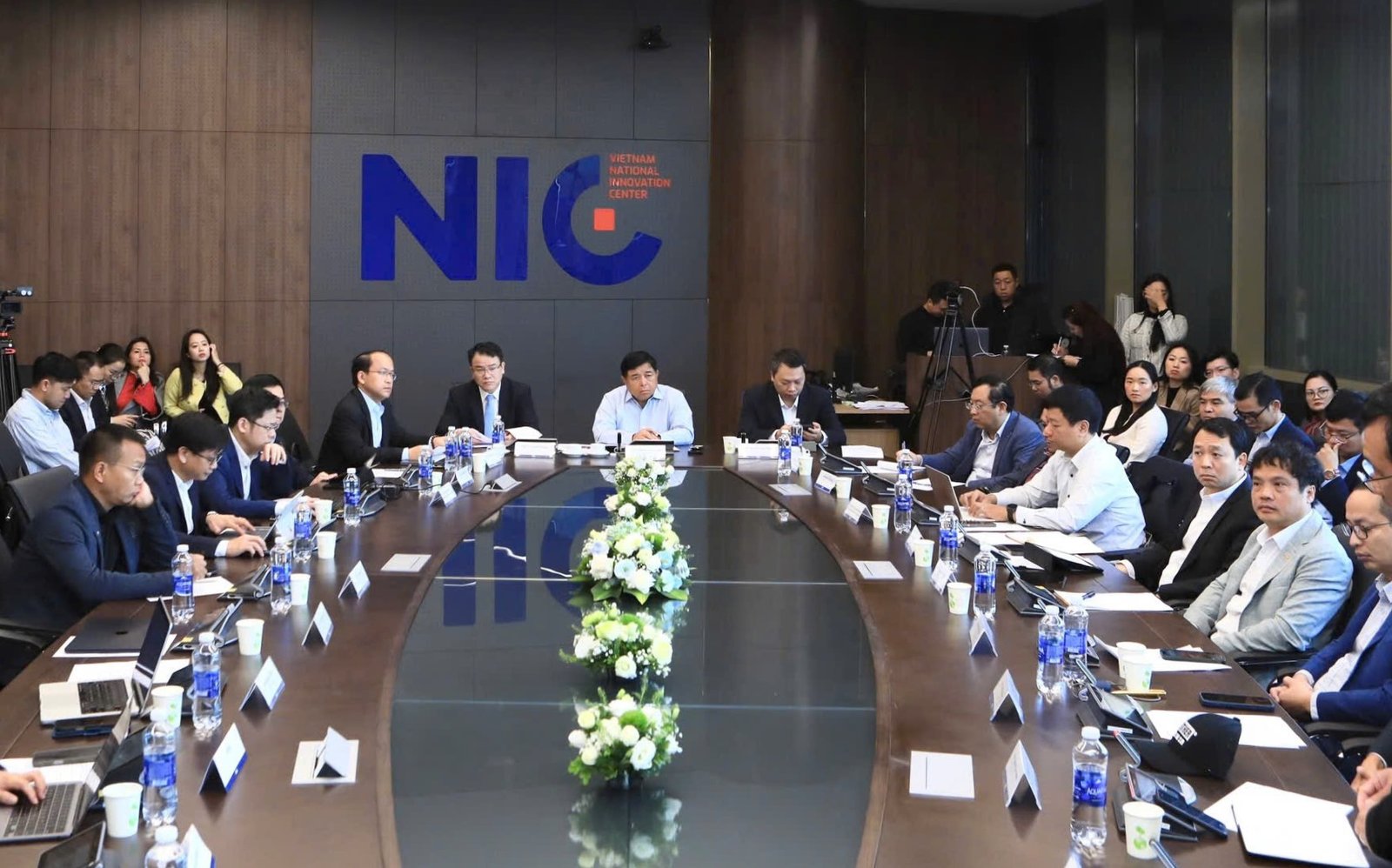
Concluding the meeting, Deputy Prime Minister Nguyen Chi Dung emphasized that developing strategic technologies is a long-term task essential to Vietnam’s technological autonomy and competitiveness. He assigned the Ministry of Finance to study breakthrough policy mechanisms for mobilizing and allocating resources effectively, and to prioritize the development of NIC as the nucleus of the national innovation ecosystem.
The Ministry of Science and Technology was tasked with updating the strategic technology portfolio, strengthening mission-oriented research programs, improving standards and intellectual property systems, and accelerating commercialization of research results.
Within this framework, VNQuantum reaffirmed its role as a bridge between government, experts, research institutions, universities, and enterprises, contributing to the formation of strong research groups, incubation of quantum startups, and proposal of priority missions aligned with national needs.
The working session on 26 November 2025 marks an important step in shaping Vietnam’s quantum technology strategy. With government support and active participation from VNQuantum and the expert community, quantum technology is expected to gradually form a robust ecosystem, contributing to national competitiveness and sustainable development in the new technological era.